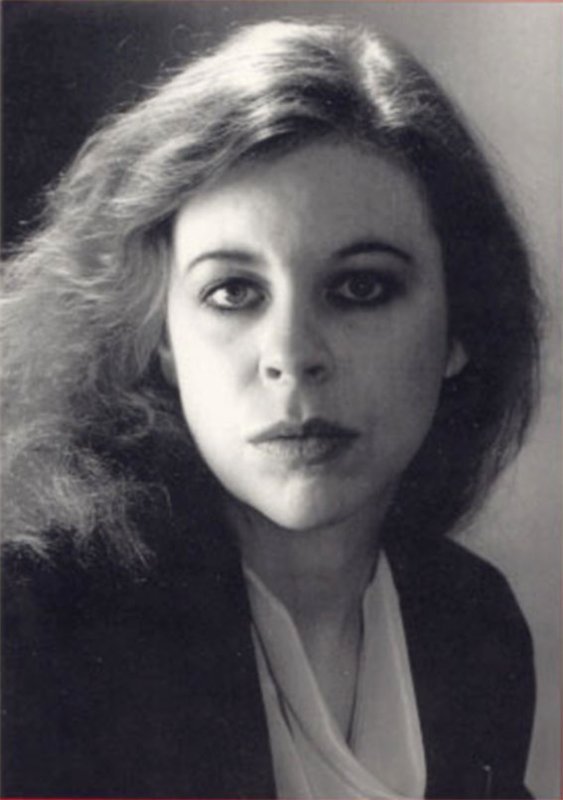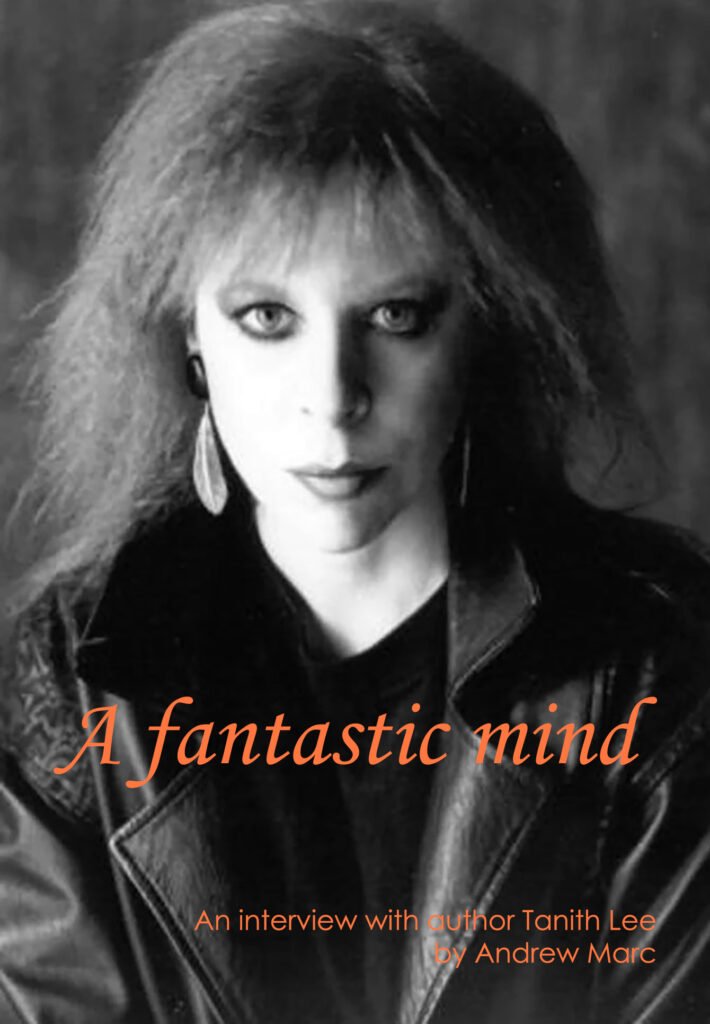
Tanith Lee has been writing since the age of 9, a fact which is even more commendable when you consider that she only learnt to read at the age of 8 – taught by her father. Now 45, she has had about 50 titles published, and is currently producing, on average, two to three stories a year .Her book subjects range from children’s stories to Gothic Horror(a historical novel about the French Revolution remains unpublished to date), and her writing talents have also been employed to good use in other mediums. She is the first woman to win the British Fantasy Award, which she followed with two World Fantasy Awards, short-listings for all manner of accolades including Nebula and BSFA Awards.
Tanith has also written for radio (four plays – Bitter Gate, Red Wine, Death Is King and the Silver Sky, which she penned consecutively with current novel projects) and television (two Blake’s 7 episodes, Sarcophagus and Sand, the finished versions of which she very much enjoyed). In a word: prodigious.
Since then she has concentrated her efforts on writing her highly successful novels. Is this because she didn’t like the formality of writing plays and scripts? ‘No, it’s not. I have done it, so it’s not that I haven’t tried. It’s a very different format from book writing of course. It’s just what comes to me and says it wants to be written, and at the moment it’s mostly novels. I’ve never been asked to write a film script. I’d be willing to sell film rights (of her books) – I’ve had one or two people who are interested, but nothing came of it.’
“I have a very vivid imagination … it’s
bloody uncomfortable at times.”
Her working discipline is pretty flexible. ‘I work at any time of the day or night really. I don’t have a working regime. Most of the time, fortunately, I do feel in the mood to work. It’s generally from any time from noon ‘till two o’clock I’m liable to start writing, as a general rule, and then I go on until about six or seven, but sometimes I start earlier, and sometimes I go on much later. I’ve been known to get up in the middle of the night and jot a note down – they do say the best thing for an author is to have a note pad and pen by the bed. I must say that I usually find when I get a really insatiable idea for some reason, then there’s nothing by the bed. I have to get up and go to my workroom, which is fairly near, fortunately, and write it down.’
Tanith’s writing encompasses many genre types, and to this end, she uses more than one publisher, which I thought an unusual arrangement. ‘It’s not like Estate agents,’ quipped Tanith. ‘You can have as many as you want. What they usually like is for you to do a certain thing for them, and not doit for anybody else. ‘For example, I’m doing the ‘Scarabae’ books for Little/Brown, and I’m doing Victorian Gothic Horror for Headline, and in America I’m doing older children’s books, and also another kind of horror series that started in fact over here with Unwin, as they then were.’
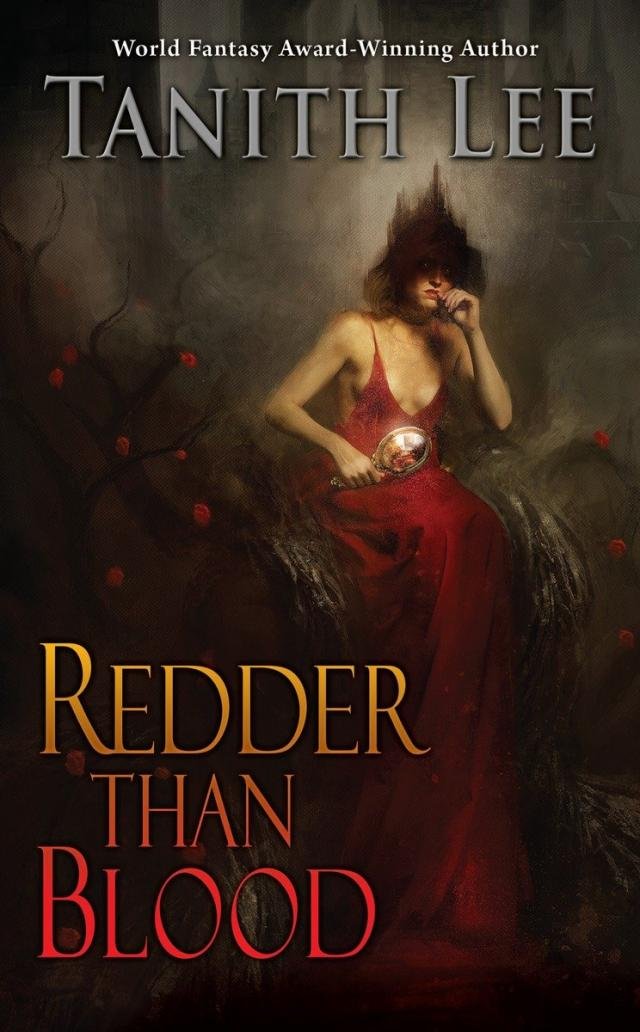
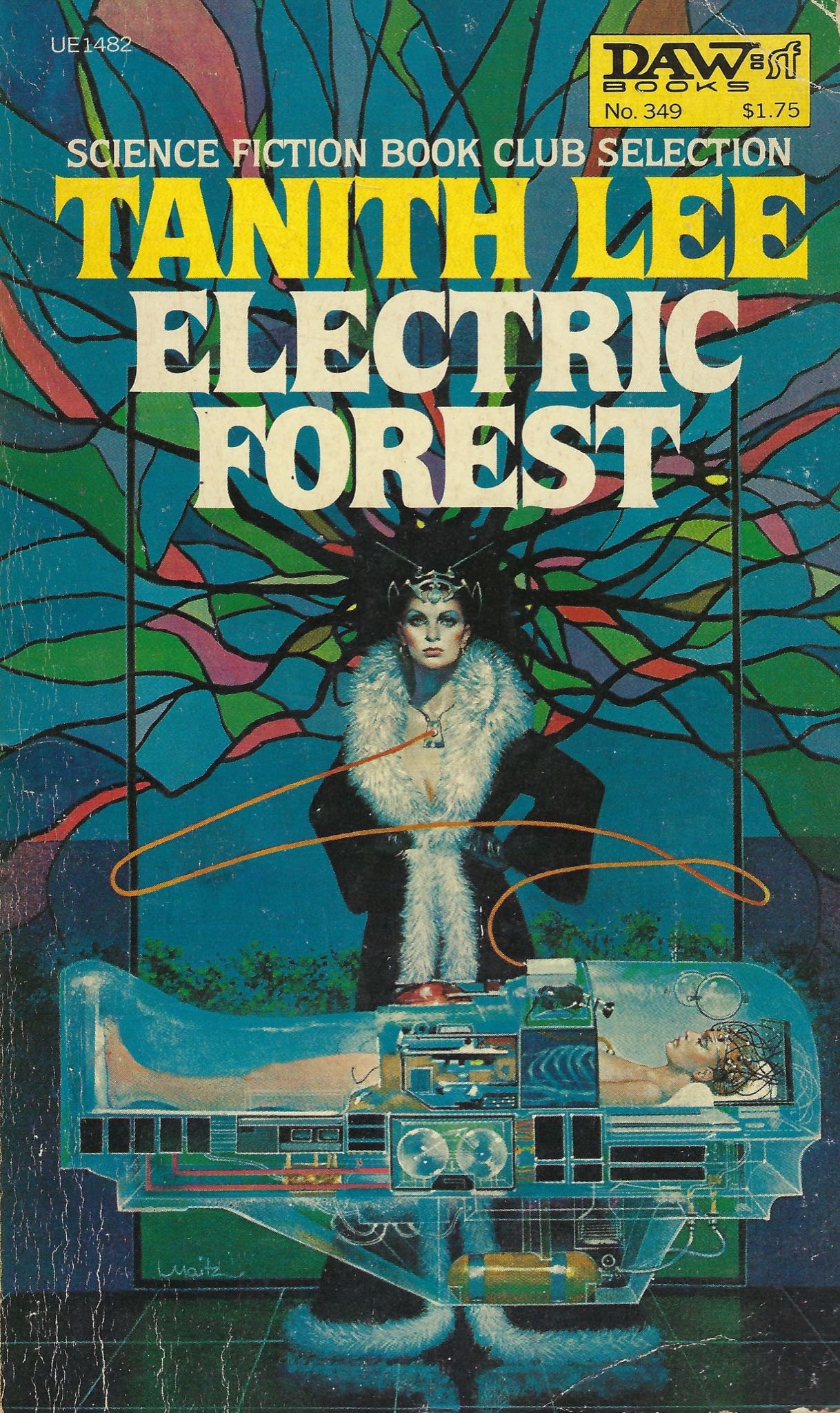
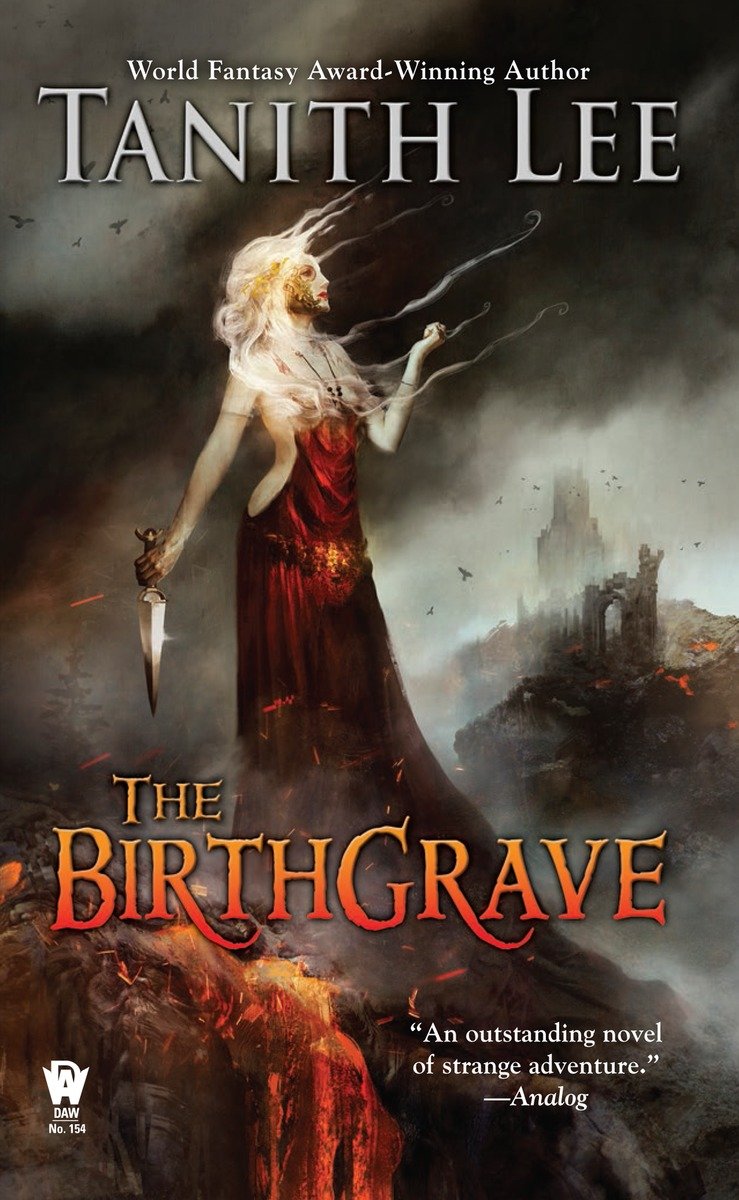
The ‘Scarabae’ were first introduced in the excellent Dark Dance, first in the ‘Blood Opera’ sequence (the next in line is Personal Darkness, which follows the exploits of Rachaela’s psychotic daughter, Ruth, as she rampages through the vicinity of London. The ‘Scarabae’ have to find and stop her), and in this book Tanith explored some very dark and controversial themes which clearly Tanith is not adverse to. ‘I think everybody has black thoughts, particularly at night – everyone has a monster inside them – that’s what makes us interesting. I have a very vivid imagination, and I empathise very easily; in fact too easily. It’s bloody uncomfortable at times.’
I wondered if traumatic personal experience was translated in someway to the plot or characters in Tanith’s books, as her writing has a very real, disturbing feel to it. ‘I haven’t, thank god, experienced that many horrors; very few really. I would probably think, judging on what the general climate of horror is now, I would say I haven’t really experienced any horrors personally.’
The exploits of the ‘Scarabae’ have been continued to another book. This was of course intentional, as Tanith wanted to take the theme further. But, surprisingly, it turned out that her husband had a key role to play in their resurrection. ‘I used to write sequels – it was almost the first thing I did when I got published seriously as an adult writer, and books I’d written two or three years before I’d write sequels to, because they’d been in my head all the time – what could have happened to the characters next. That’s the thing with the ‘Scarabae’; you can always see the next thing they’re liable to be doing. ‘I have to say that my husband is my ideas man. I think he understands the ‘Scarabae’ better than I do. I think he’s related to them actually! (laughs). I suspect they are real – having devised the idea of them, I have a sneaking suspicion there is something similar.’
“It doesn’t matter what anybody else says, you must
do it, and you mustn’t let yourself be stopped.”
I asked Tanith about her approach to her work, how involved with her latest book does she get, how it develops. Lee has it written into her contract that editors cannot change the book in any way – but she also has a good relationship with her publishers. ‘They are used to me and they know I’m never quite sure how the thing is going to end. They know that I work very, very hard, and I get a book as perfect as I can get it at that time. It’s not something that’s just shot off and thrown at them, and they’re expected to do all the work.’
Tanith gets passionate about her writing ‘… all the time. I’m sure there are some people who can write things quite cold, and even make a good job of it, but I don’t write like that – I write in a frenzy.’ Given that the characters in her books are so believable and written with a passion, it may come as a surprise that their author is not constantly scrutinising life and people for future reference. ‘I am wholly unobservant. I am so bad, I will actually sit and stare at somebody in a crowded pub, but I’m thinking of a piece of music I heard earlier. I don’t know if I just take it in on some other level. I really do think I’ve learnt most of what I know about people from watching films and reading other people’s books.’
Finally, I asked Tanith to give some advice to new, struggling writers: ‘Keep going and don’t let anybody put you off. If you’re going to do it, people will try and stop you – they’ll tell you not to waste your time, that in today’s economic climate it is very difficult to get published, which it is, but then it always was. ‘Literally don’t take no for an answer. It doesn’t matter what anybody else says, you must do it, and you mustn’t let yourself be stopped.’